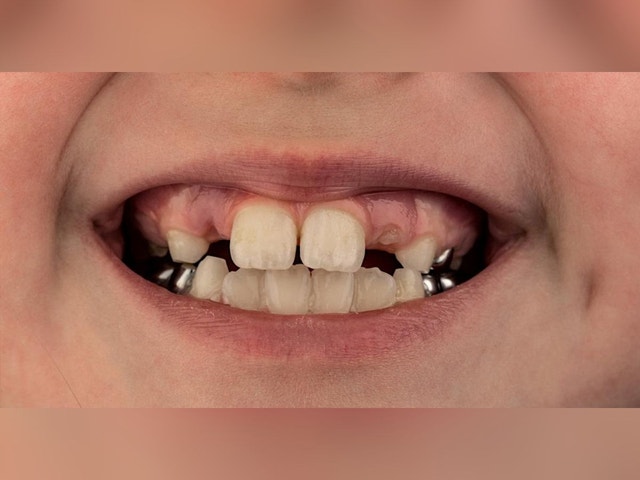
Timing Matters: Implant Strategies for the Adolescent Patient
When it comes to adolescent patients with congenitally missing teeth or tooth loss due to trauma or pathology, a conservative, wait-and-see approach has long been the norm. However, emerging research and clinical experience show that delayed treatment can lead to long-term esthetic, functional, and psychosocial consequences—particularly when genderspecific growth patterns and patient expectations are not fully considered COURSE OVERVIEW This course will explore how to identify adolescent candidates for implant iherapy early, assess the implications of postponing treatment, and navigate complex interdisciplinary planning. Special attention will be given to congenital tooth loss, differences in male and female growth trajectories, and the critical role of communication with patients and parents regarding long-term outcomes. Learning Objectives Identifying and addressing candidates in adolescence for implants and what delayed treatment means long term – being conservative with treatment isn’t always the best course of action with theses missing tooth sites, congenital situations and where treatment expectations vary between male and female patients.