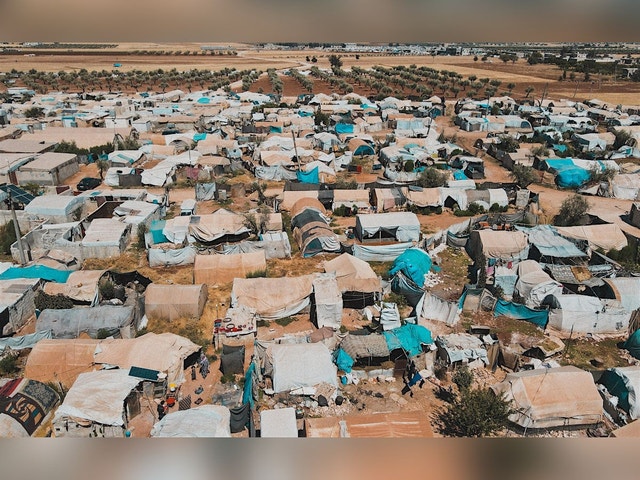
Addressing Protracted Displacement in the Middle East and North Africa
Around the world, refugee situations are increasingly protracted, with displacement lasting about 20 years for refugees and more than 10 years for most internally displaced persons (IDPs). As the prospect of return diminishes, the needs of displaced populations shift from immediate subsistence and shelter to long-term economic security and access to livelihoods, housing, education and healthcare, as well as different legal protections. The Middle East and North Africa (MENA) region is particularly affected, shaped by ongoing conflicts and large refugee populations, including millions of Syrians displaced over the past decade and Palestinians who now constitute the world’s longest protracted refugee situation. On May 14, the Women’s Rights, Human Rights, and Refugees Program [https://www.bakerinstitute.org/program/womens-rights-human-rights-and-refugees] will host a free, public event examining protracted displacement in the MENA region. Panelists will discuss how prolonged displacement is reshaping humanitarian responses, host communities, and policy approaches. They will also explore connections to recent changes in the U.S. refugee resettlement system and the implications for refugees in Houston and beyond. This event marks the launch of a new series of policy briefs on protracted displacement in the MENA region. Developed following a fall 2025 workshop at Koç University’s Migration Research Center in Istanbul, the series examines barriers to local integration, the prospects for refugee return as a durable solution, and the broader systems shaping humanitarian aid.